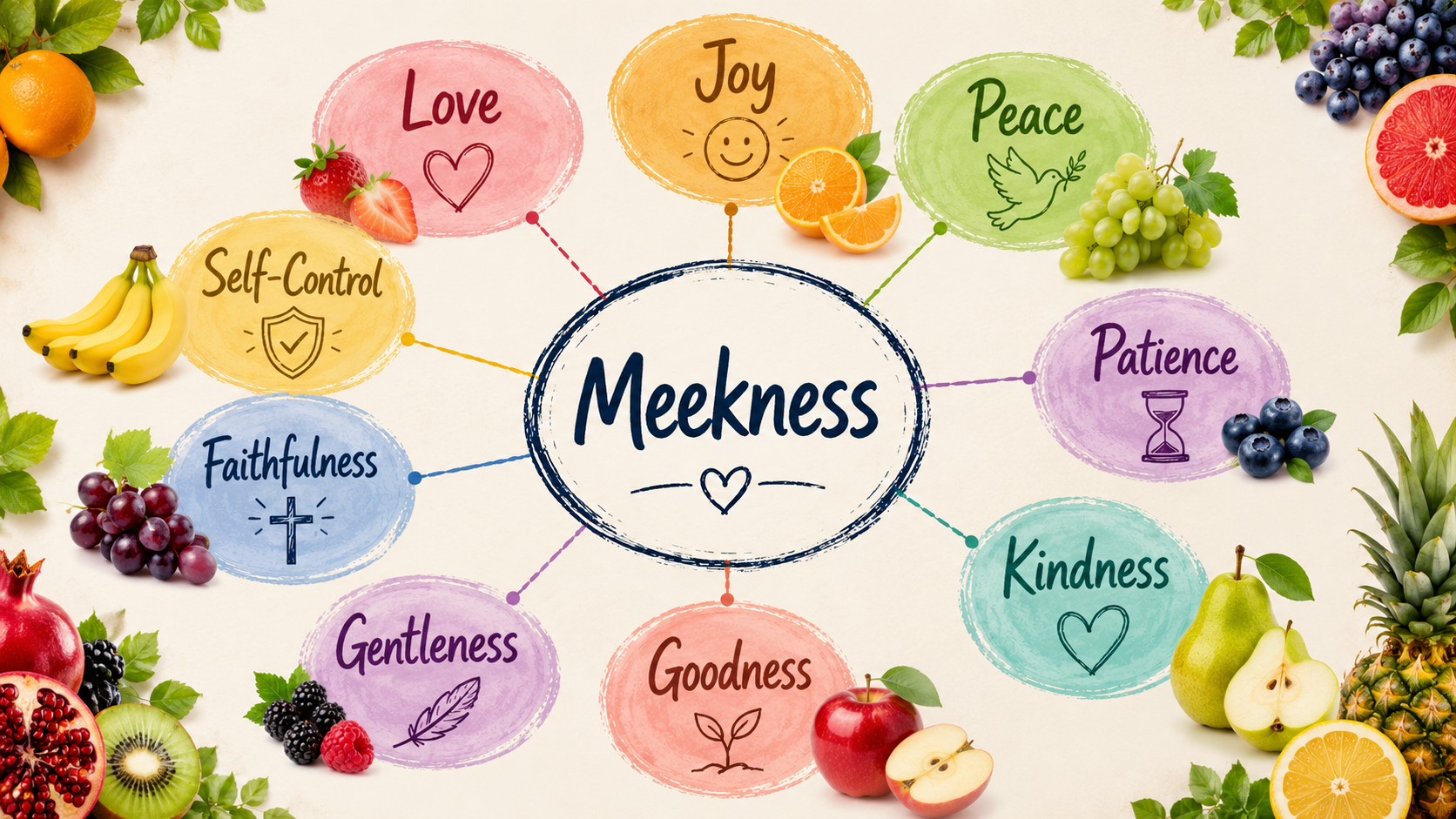

(Image generated by author via a ChatGPT prompt)
Our society continues to change significantly, as mentioned in a previous post. Society continues to prioritize financial growth over more fulfilling, life-giving values. I have recently pondered whether my passions, faith, and community involvement have any impact or value in our current society. My career path of entering higher education, with a modest salary and a desire to discuss issues in depth and engage in critical thinking together, seems to be losing value in society. Oftentimes, I witness argumentative tendencies over kindness, self-interest over goodness, and presumed security (and worrying) over faith.
I will admit that many of these cultural influences have crept into my life over the last decade, and they have led me to be less joyful, become more anxious, and lack an attuned ear for spiritual guidance to help me through times of difficulty and uncertainty. Thankfully, as I have had more time to reflect this summer, I have been enjoying Christ Community Church (CCC)’s recent sermon series, Fruitful People in a Thorny World, which has provided me with a renewed context on the fruits of the spirit, as noted in Galatians 5:22-23 (ESV):
“But the fruit of the Spirit is love, joy, peace, patience, kindness, goodness, faithfulness, gentleness, self-control; against such things there is no law.”
Although our society continues to engage in public feuds over morality, especially in the online sphere, there is still a need to remain a light in a world of darkness. CCC Teaching Pastor Clayton Keenon mentioned in the first sermon of the series that, in the midst of division, we are to approach conflict with meekness. But we must then learn what meekness is, and how it is not weakness.
Desiring God defines meekness as first trusting God, which will lead us to adopt a posture of understanding that we submit all our worries, plans, work, health, and other concerns to him. Then, with the understanding that we are to be patient in the Lord’s timing, we do not act quickly out of frustration or the perception of false security; rather, we wait to judge, in a posture of learning and seeking wisdom in several areas of life.
Although meekness does not pounce at the first opportunity to act or comment in numerous situations, that does not mean that such a person is weak. Weakness is defined by Merriam-Webster as a fault or a defect. Although it is countercultural to take time to process in a world of instantaneous actions, an effort to wait, process, and continue learning is different and will be a witness to a worry-crazed world. Jesus even mentioned in Matthew 5:
“Blessed are the meek, for they shall inherit the earth” (Matthew 5:5, ESV).
This does not mean that we should not defend the faith, but we should learn to be at peace with our understanding, share it with others in interpersonal settings, and avoid becoming combative in argumentative conversations (in a variety of contexts). If we desire to be meek, then the other fruits of the spirit—love, joy, peace, patience, kindness, goodness, faithfulness, gentleness, and self-control—will become more evident in our lives.


